

Oct 02, 26
Easy Color Combination for Outfits That Always Look Good
Choosing a color combination for outfits can make getting dressed feel either wonderfully simple or like a puzzle you never asked to solve. For moms, that challenge gets even trickier when you are putting together clothes for kids who have strong opinions about what they will and will not wear. The good news is that you do not need a fashion degree or a closet full of perfectly coordinated pieces to create polished-looking outfits.
A few reliable color principles can help you build looks that feel balanced, playful, and personal. Current 2026 fashion coverage is also moving toward expressive color, from bold pairings such as olive and tomato red to softer tonal dressing in shades of blue, cream, brown, and burgundy.
For kids, the goal is even more practical. The best color combination for outfits should work with what your child already owns, suit their personality, and make it easy to get dressed for school, playdates, family outings, and special occasions.
TL;DR Color Combination for Outfits Made Easy
- Navy, denim, white, gray, cream, black, beige, and khaki make it easier to build outfits around brighter colors.
- Think of one main color, a supporting shade, and a smaller accent instead of giving every color equal attention.
- Blue and white, pink and gray, green and cream, lavender and yellow, and navy and red are simple combinations to experiment with.
- Soft pastels usually work beautifully with other muted shades, while bright colors can be balanced with neutrals.
- Hair clips, headbands, shoes, bags, and jewelry can repeat a color without requiring an entirely coordinated outfit.
How Do You Choose a Color Combination for Outfits
The easiest way to start is by thinking about color in terms of a base, a supporting shade, and an accent. Several of the current guides ranking for this topic use similar ideas, including neutrals, monochromatic dressing, complementary colors, analogous colors, and the 60-30-10 proportion rule.
You do not need to memorize every color theory term. Instead, use these practical principles when helping your child choose clothes.
1. Start with one dependable base
A neutral or muted color gives the rest of the outfit somewhere to land. Denim, navy, white, gray, cream, tan, and black are especially useful because they pair well with many accent colors.
For example, a pair of blue jeans can work with a pink sweatshirt one day and a yellow graphic tee the next. A cream cardigan can soften a bright dress without taking away its personality.
For kids, denim deserves special attention because it serves as a neutral. A colorful top with denim bottoms gives you an easy outfit without requiring every piece to match perfectly.
2. Add one supporting color
Once you have the base, choose a second shade that complements it. This can be a nearby color on the color wheel or a contrasting color that creates more energy.
Blue and green can create a calm, natural feel. Pink and red can look playful and energetic. Navy and mustard create a stronger contrast while still feeling grounded.
A useful rule is to consider the colors' intensities together. A pastel blue usually feels more harmonious beside soft pink than beside an extremely bright neon pink.
3. Finish with a small accent
The accent is where your child can have the most fun. It could be a colorful hair clip, patterned socks, sneakers, a backpack, or a small graphic on a shirt.
The 60-30-10 styling principle is a helpful starting point here. One color dominates roughly 60 percent of the visual look, another accounts for about 30 percent, and an accent makes up about 10 percent. It does not need to be mathematically exact. The point is to prevent too many strong colors from competing for attention.
For example, imagine a navy outfit with a white top and a bright pink hair accessory. The pink can become the memorable detail without requiring an entire pink outfit.
4. Consider warm and cool colors
Warm colors include shades such as red, orange, yellow, and many earthy tones. Cool colors include blue, green, purple, and some blue-based pinks.
You can successfully mix warm and cool colors. The trick is often to choose one as the dominant family and use the other as an accent.
For instance, olive pants with a warm rust-colored top create a grounded combination. A sky-blue dress with a soft peach accessory feels lighter and more playful.
5. Use color repetition
One of the easiest styling tricks is repeating a color in two small places.
If your child is wearing a lavender top, you might repeat lavender in a hair bow or sneaker detail. If their outfit includes a red graphic, a small red accessory can make the entire look feel more intentional.
This approach is especially useful when you are working with patterned clothing. Pick one color from the print and repeat it elsewhere rather than trying to match every color in the pattern.
These simple principles give you a flexible system rather than a strict set of fashion rules. That matters because kids' wardrobes need to work for real mornings, messy lunches, recess, changing weather, and rapidly shifting preferences.
What Are the Best Color Combinations for Kids' Outfits
Once you understand the basic formula, putting together outfit color combinations becomes much easier. You can start with colors your child already loves and build outward from there.
Here are some combinations that work particularly well for everyday kids' clothing.
- Navy and white - This classic pairing looks clean and works for school, family outings, and slightly dressier occasions. Add a small accent in red, pink, yellow, or green when your child wants more personality.
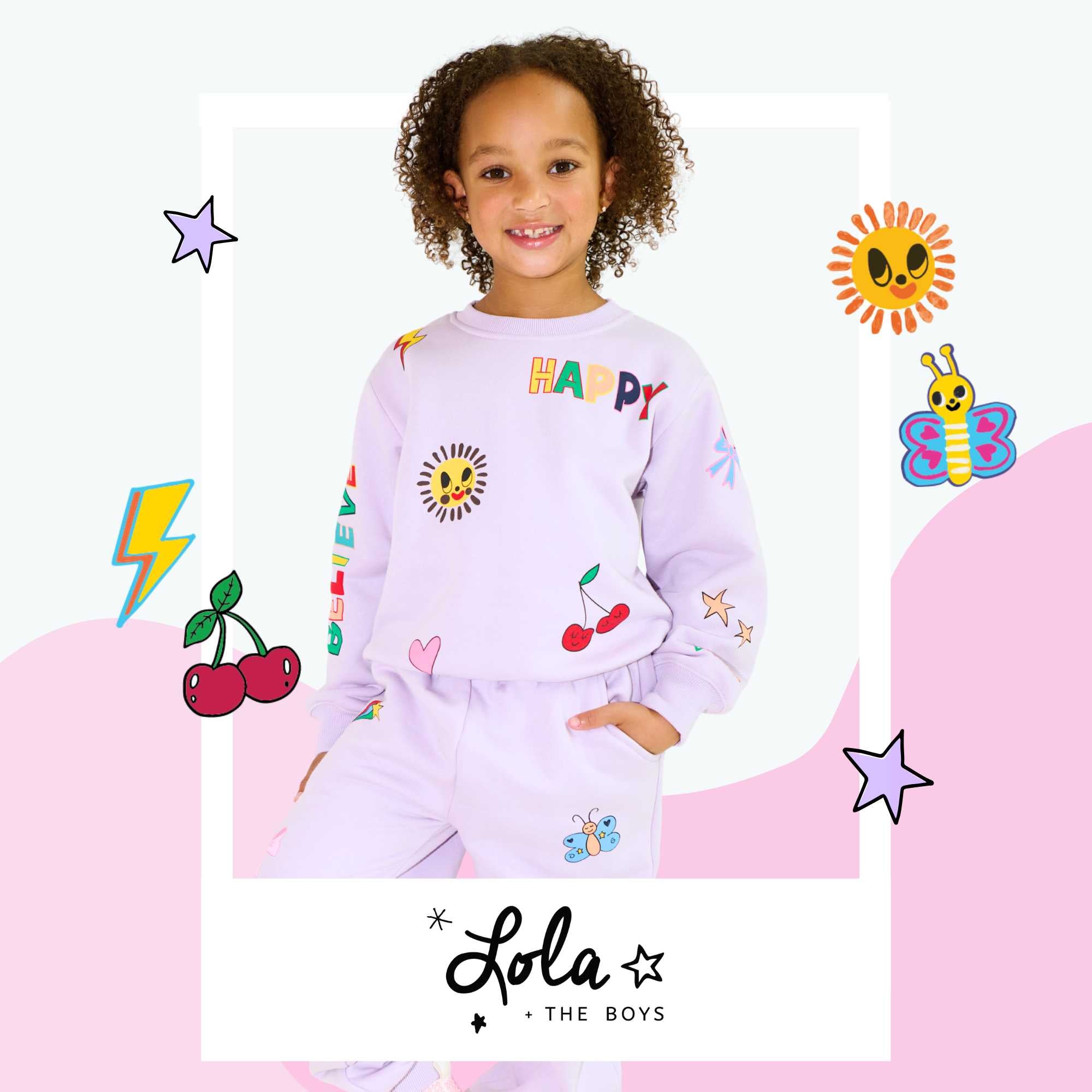
- Pink and gray - Soft pink becomes easier to wear when paired with a neutral gray. Try a pink sweatshirt with gray joggers, or a gray dress with pink sneakers and accessories.
- Blue and yellow - These colors create a cheerful, energetic look that works especially well for playful kids' outfits. If bright yellow feels too strong, try butter yellow with denim or soft blue.
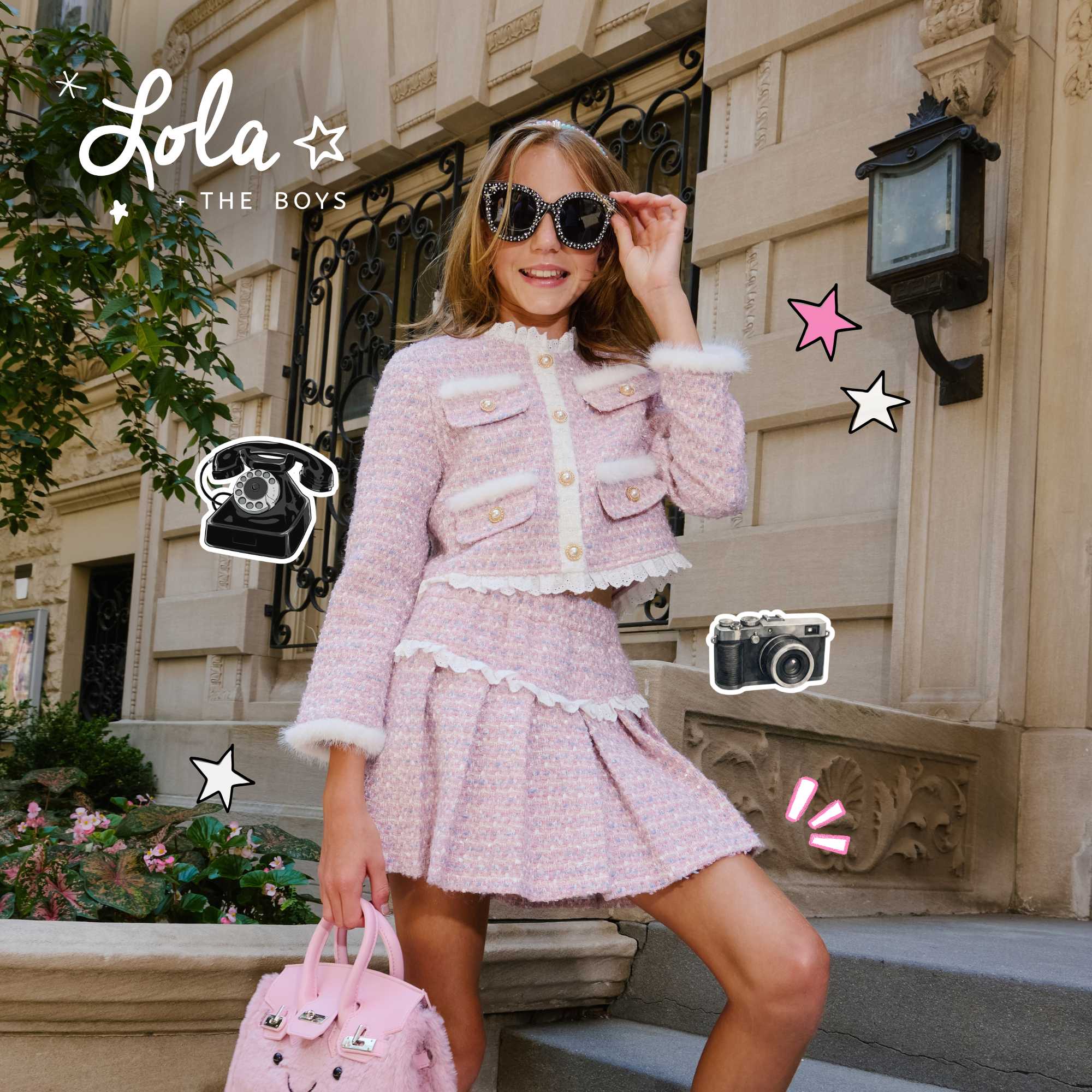
- Lavender and cream - This combination creates a gentle, polished palette without feeling overly formal. It works beautifully for dresses, skirts, sweaters, cardigans, and special-event outfits.
- Green and beige - Earthy green paired with beige or cream creates a relaxed look that works well for everyday wear. Olive green can also be paired with denim for an easy school outfit.
- Red and denim - Denim helps tone down the intensity of red while keeping the outfit fun. A red graphic tee with jeans and white sneakers is an easy example.
- Brown and sky blue - The contrast between earthy brown and light blue feels modern while remaining easy to wear. Try brown shoes or a chocolate-colored layer with a sky-blue top.
- Pastels together - Soft pink, lavender, baby blue, mint, and pale yellow can work beautifully when their intensity is similar. Keep one piece neutral if the outfit starts feeling too busy.
- Black and bright colors - Black can anchor vibrant shades such as hot pink, turquoise, purple, or red. This approach works particularly well for older kids and tweens who enjoy bolder styling.
- Monochromatic blue - Different shades of one color can create a coordinated look without requiring exact matching. Try a pale blue top with medium-wash denim and navy sneakers or a jacket.
The key is to adapt the palette to your child rather than forcing your child to adapt to a trend. If they love bright colors, give them a neutral foundation that makes those colors easier to wear. If they prefer understated outfits, tonal dressing can give them style without making them feel uncomfortable.
Lola and the Boys' Picks for Easy Outfit Color Combinations
Putting together a good color combination for outfits becomes much easier when the clothing already gives you a strong starting palette. Lola and the Boys offers playful matching sets, dresses, and coordinated pieces that make it simple to build a polished look while still letting kids show their personality.
Here are a few specific outfit ideas to consider:
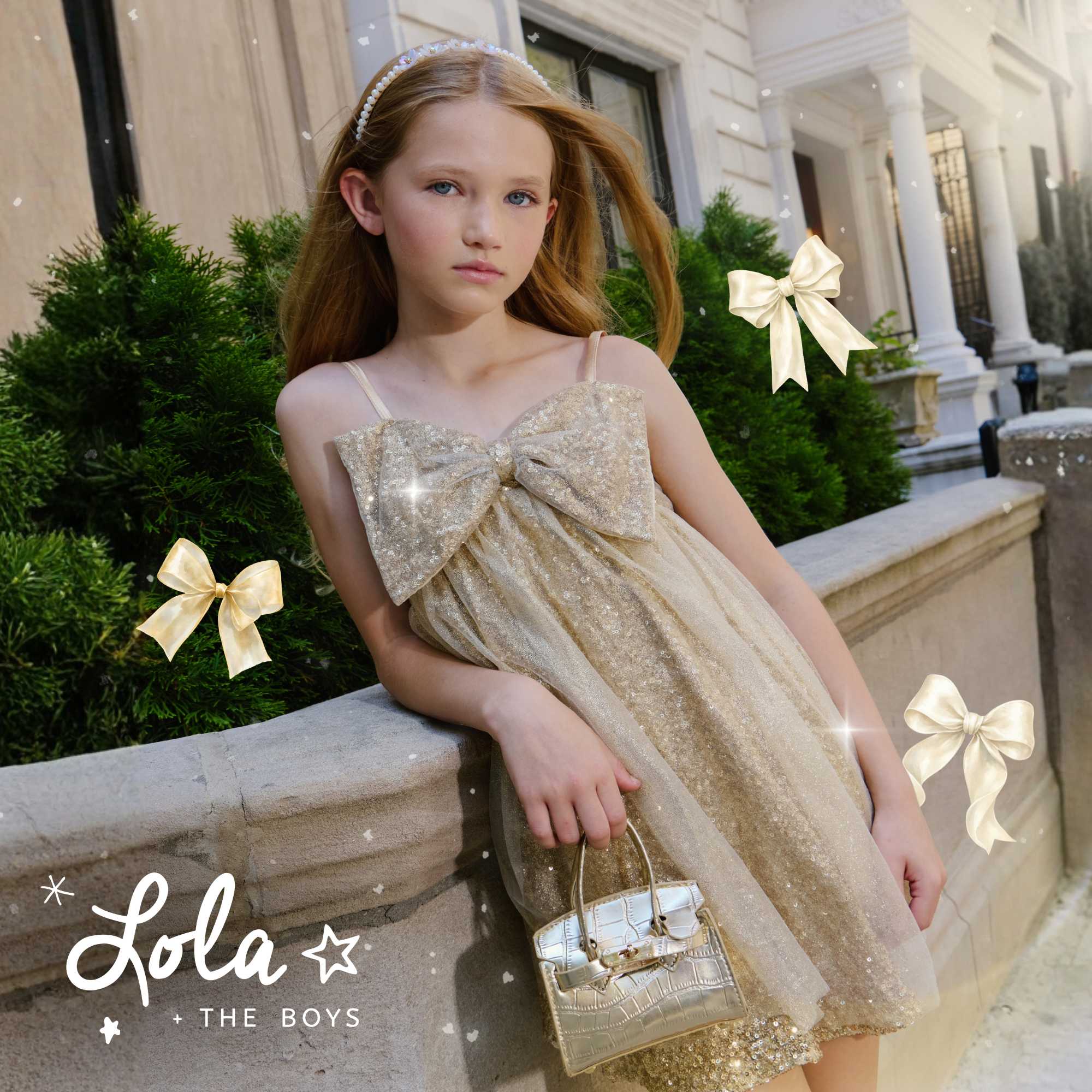
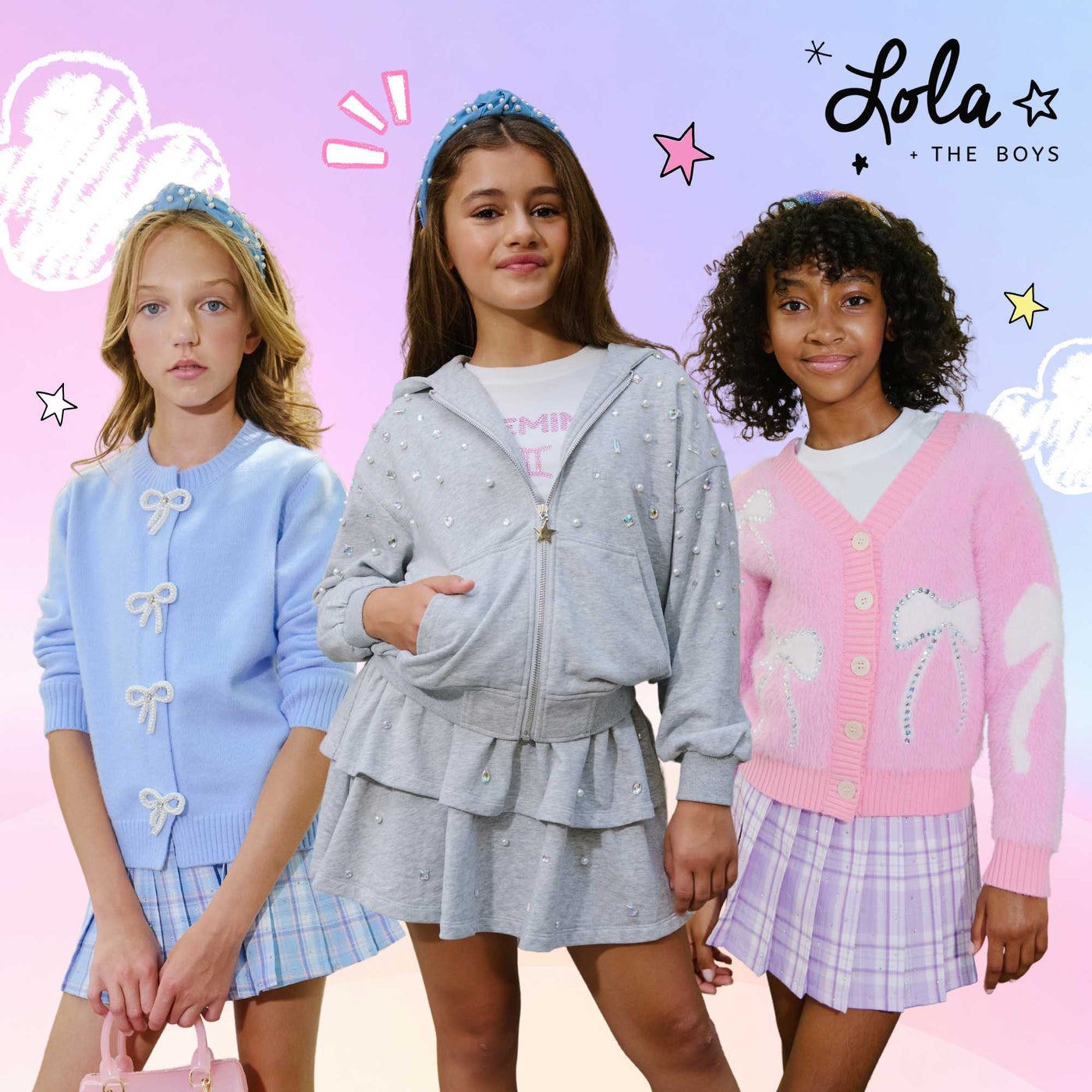
- Pink and Light Blue - The Dreamy Pastel Bow Dress is available in pink and light blue, making it an easy example of a soft pastel color palette. The airy style works especially well for birthdays, parties, and special occasions where you want a sweet but polished look.
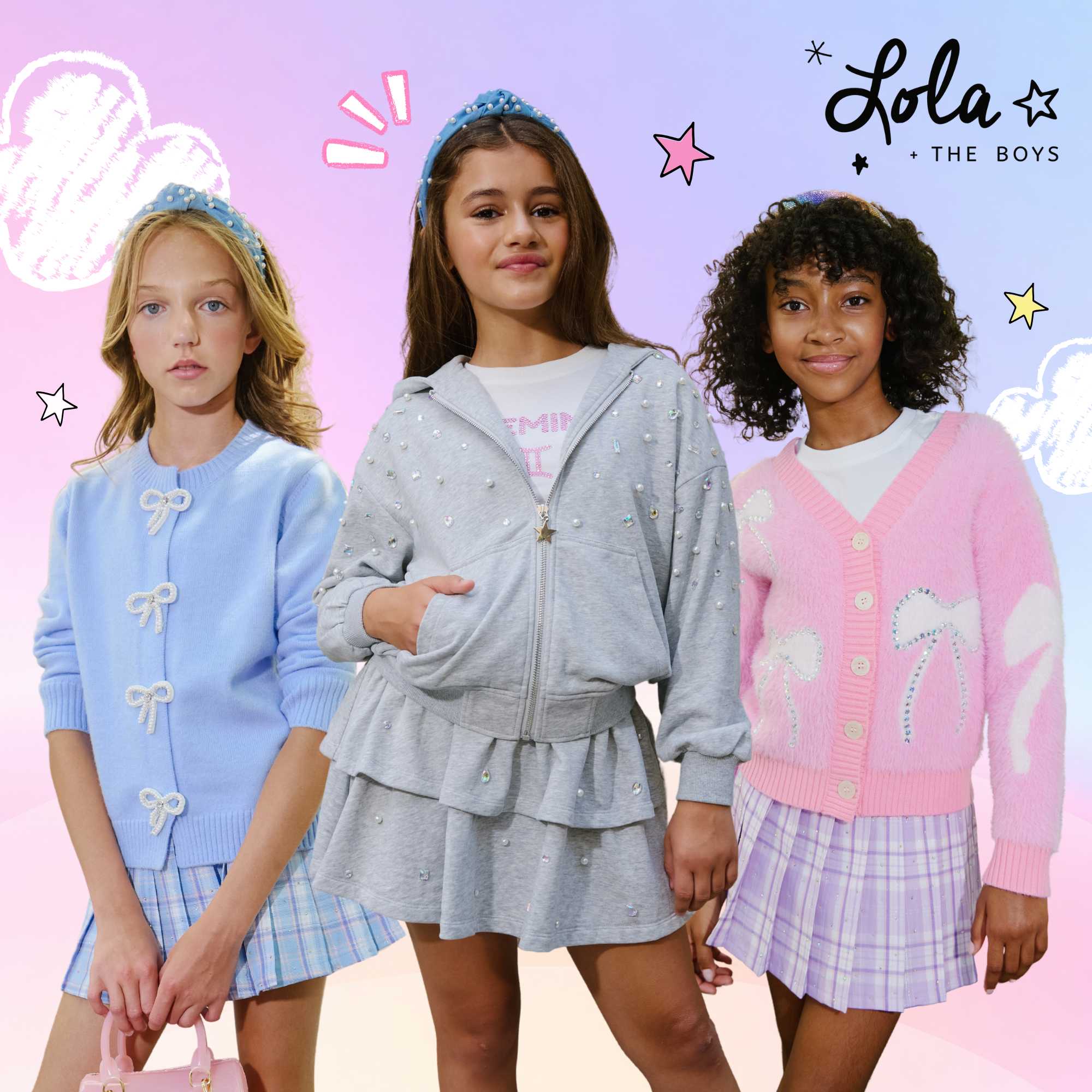
- Lavender and Gray - The Super Soft Pearl Bow Set pairs a relaxed sweatshirt with a tiered ruffle skirt and comes in lavender and gray. These two colors create a soft, coordinated outfit that feels stylish while the stretchy, soft fabric keeps comfort in the picture.
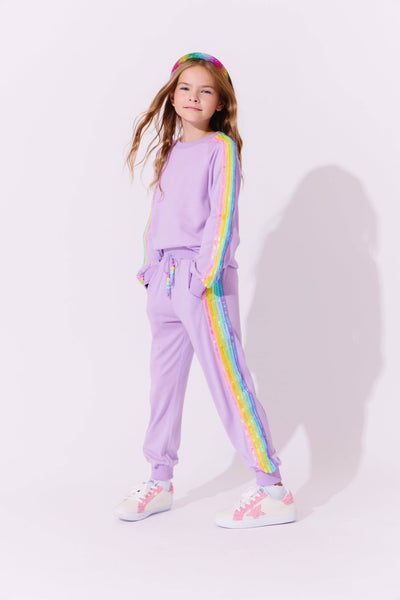
- Pink and Rainbow Colors - The Pink Rainbow Summer Set combines a pink two-piece outfit with colorful rainbow trim and a playful rainbow charm. It shows how a strong base color can make several brighter shades work together without overwhelming the outfit.
- Pink and White - The I Love You Set uses white as the main color with colorful embroidered hearts and soft pink accents around the cuffs, collar, and waistband. This is a great example of using a neutral base to let brighter colors stand out.
- Pastel Pink and Baby Blue - The Pastel Velour Short Set comes in pretty pink and baby blue. Either shade can create a simple monochromatic outfit, while pairing the pastel pieces with neutral sneakers or a cream layer can keep the overall look balanced.
- Pink and Green - The Pinky Happy Floral Set uses a soft pink base with colorful floral details. The floral accents provide an easy opportunity to pull out a green, yellow, or other accent shade when choosing shoes or an additional layer.
- Rainbow and Neutrals - The Rainbow Knit Skirt Set combines a pastel rainbow pattern with a coordinated jacket and skirt. Because the colors are blended into one outfit, it can serve as inspiration for choosing a neutral top, shoes, or outer layer that lets the rainbow pattern remain the focal point.
These outfits also show why moms do not have to make every color match perfectly. A strong base color, a supporting shade, and one or two playful accents can create an outfit that feels coordinated without looking overly planned.
When shopping for kids' clothes, look for pieces that can work within several color palettes. A pink top, for example, can pair with denim, gray, cream, white, or other pastel shades, giving you plenty of outfit options as your child grows and their style changes.
Color Combination for Outfits with Lola and the Boys
The best color combination for outfits is ultimately the one that feels natural for your child and practical for your family. Start with a dependable base, add one supporting color, and use accessories for small pops of personality. From there, you can experiment with monochromatic looks, complementary shades, soft pastels, earthy tones, and brighter combinations as your child becomes more confident with color.
Remember that children's fashion should leave room for movement, play, and personality. A perfectly coordinated outfit that your child dislikes will spend more time hanging in the closet than being worn. A comfortable outfit in colors they love is much more likely to become a wardrobe favorite.
For playful pieces that make color styling easier, browse Lola and the Boys for kids' clothing and accessories that can add sparkle, color, and personality to everyday looks. A few well-chosen pieces can give your child plenty of ways to experiment while keeping mornings simple for you.