

Oct 28, 26
How Many Outfits Does a Kid Actually Need? What to Buy
If you have ever opened your child's closet and thought, “How do we have this many clothes and somehow nothing to wear?” you are definitely not alone. Figuring out how many outfits does a kid actually need can feel surprisingly complicated when you factor in school, playdates, sports, spills, laundry days, changing weather, and those outfits your child refuses to wear because the fabric “feels weird.”
The good news is that your child probably does not need a closet overflowing with complete head-to-toe looks. A practical wardrobe can be much smaller when the pieces work together.
A good starting point for many school-age children is around 5 to 7 everyday tops, 4 to 5 bottoms, 2 to 3 layers, and 1 to 2 special outfits, assuming laundry is done about once or twice a week. That is a starting point, not a parenting rule. Your child's age, routine, climate, laundry schedule, and tendency to come home covered in grass stains all matter.
The goal is simple: enough clothes to get through real life comfortably, with a little breathing room for the unexpected.
TL;DR How Many Outfits Does a Kid Actually Need?
Before you start emptying the dresser, here is the quick answer. Think about your child's actual week rather than an imaginary, perfectly organized wardrobe.
- Aim for 5 to 7 everyday outfit combinations - This gives a school-age child enough variety for a typical school week while allowing pieces to mix and match.
- Keep around 5 to 7 everyday tops - T-shirts, blouses, lightweight sweatshirts, and similar basics can become the foundation for multiple looks.
- Have about 4 to 5 bottoms - Jeans, leggings, shorts, skirts, joggers, or other bottoms can be repeated with different tops when they are still clean.
- Add 2 to 3 useful layers - Cardigans, hoodies, lightweight jackets, or sweaters can stretch a wardrobe across changing temperatures.
- Keep 1 to 2 special outfits - Birthday parties, family photos, holidays, school performances, and other occasions usually do not require a separate outfit for every event.
A smaller wardrobe can actually make mornings easier because children have fewer choices while still having plenty of ways to express themselves. The trick is choosing pieces that genuinely work with one another.
How Many Outfits Does a Kid Actually Need for Everyday Life?
The number depends less on your child's age than you might expect. A preschooler who changes clothes twice a day needs a different wardrobe from an older child who wears the same school outfit from breakfast until bedtime.
One useful formula is:
Days between laundry × average clothing changes per day + one backup outfit
This formula can be applied separately to everyday clothes, pajamas, school clothes, sportswear, and other categories. It gives you a starting point based on how your household actually works rather than an arbitrary number.
A practical starting wardrobe
For a child who attends school five days a week and whose family does laundry once or twice weekly, a compact wardrobe might look like this:
- 5 to 7 everyday tops - Include a mixture of easy basics and a few personality-filled pieces. Graphic tees, soft tops, and colorful shirts can rotate with several different bottoms.
- 4 to 5 bottoms - Choose pieces that can handle repeated wear when appropriate. Jeans, joggers, leggings, shorts, and skirts can each create several different combinations.
- 2 to 3 layering pieces - A cardigan, sweatshirt, hoodie, or lightweight jacket can make the same base outfit work in different temperatures.
- 5 to 7 pairs of underwear and socks - These are daily essentials and usually deserve a full week's supply, especially if laundry happens on weekends.
- 4 to 6 pairs of pajamas - Younger children who have nighttime accidents may need more. Older children who rarely have accidents can often manage with fewer.
- 1 to 2 dressier outfits - A pretty dress, coordinated set, or polished outfit can cover birthdays, dinners, celebrations, and family photos.
- 1 to 2 activity-specific outfits - If your child plays soccer, takes dance lessons, or regularly participates in messy activities, give those clothes their own space instead of counting them as everyday outfits.
This is also where a kid's capsule wardrobe comes in handy. The idea is not to make your child's closet boring or ultra-minimal. It is to make sure the clothes you own actually have jobs.
For example, five tops and four bottoms can produce far more than five possible combinations. A striped top can work with jeans, leggings, or a denim skirt. A colorful bottom can become a completely different look when paired with a neutral tee.
That flexibility is what makes a wardrobe feel bigger than it really is.
What Should Be in a Kid's Wardrobe?
Once you know roughly how many outfits you need, the next question is what those outfits should contain. This is where many parents accidentally overbuy. A closet full of special pieces can look impressive while still leaving you without enough practical clothes for Tuesday morning.
Think in categories instead of individual outfits. This makes shopping easier and helps you identify what is genuinely missing.
Build around these kids' clothing essentials
Start with the pieces your child repeatedly reaches for. Current capsule-wardrobe guidance generally recommends separating everyday clothing from layers and special-use items because each category serves a different purpose.
- Every day tops - Choose several colors, patterns, and silhouettes your child genuinely likes. A combination of basics and fun graphic or embellished tops keeps the wardrobe practical without feeling repetitive.
- Versatile bottoms - Look for bottoms that coordinate with several tops. Denim, leggings, joggers, shorts, and skirts can each become wardrobe workhorses when they fit comfortably.
- Comfortable layers - A soft hoodie or cardigan can instantly make an outfit more practical during cool mornings. Layers also allow summer pieces to work into transitional seasons.
- One-piece options - Dresses, rompers, and coordinated sets can simplify mornings because the outfit is already visually connected. They are especially handy on days when everyone is running late.
- Play clothes - Keep clothes that can handle playgrounds, crafts, grass, and everyday adventures. Your child should be able to actually play in their wardrobe rather than having everything feel too precious to wear.
- Special occasion pieces - One or two polished looks are usually enough for birthdays, holidays, dinners, photos, and celebrations. Add more only when your family's calendar genuinely calls for them.
- Weather-specific clothing - Coats, rainwear, swimwear, warm-weather clothes, and cold-weather layers should be counted separately when they are only used during certain seasons.
A useful test is to pick one item from the closet and ask, “How many things can this be worn with?”
If the answer is one, it may be a special piece. If the answer is five, you probably have a wardrobe MVP.
Let personality have a place in the closet
A practical wardrobe does not mean removing all the fun.
Kids often have strong preferences about colors, characters, sparkle, bows, animals, sequins, or certain silhouettes. Giving them a few statement pieces can make the everyday basics feel more exciting.
Accessories can do the same thing without requiring another complete outfit. A playful hair clip, colorful socks, or favorite bag can change the feel of a familiar outfit.
Lola + The Boys, for example, has a wide range of playful accessories and hair pieces designed to add personality to kids' looks. Their current hair accessories collection includes clips and other colorful finishing touches.
This approach can also help parents shop more intentionally. Instead of buying an entirely new outfit because your child wants something sparkly, you can sometimes add one statement accessory to clothes they already own.
How Many Outfits Does a Kid Actually Need for School, Play, and Special Events?
A child's weekly schedule can completely change the answer. Five outfits may be enough for one child and nowhere near enough for another.
The best wardrobe is built around the child's real activities.
School outfits for kids
For school, five basic outfit combinations are a sensible starting point, but that does not mean you need five completely separate head-to-toe outfits.
For example, two pairs of jeans, two leggings, one skirt, five tops, and two layers can create a surprisingly flexible school rotation.
Repeat the bottoms when they are still clean. Change the top. Add a cardigan. Switch sneakers. Use an accessory. Suddenly the outfit feels different without requiring another full set of clothes.
For younger children, keep at least one complete spare outfit in a backpack, daycare bag, or classroom supply kit when appropriate. Spills and accidents have a remarkable talent for happening on the one day you forget the backup.
Play clothes
Play changes everything.
If your child spends afternoons climbing, running, painting, gardening, baking, or exploring outside, everyday clothing needs to survive those activities.
A beautiful outfit that your child cannot comfortably move in will probably spend more time hanging in the closet than being worn.
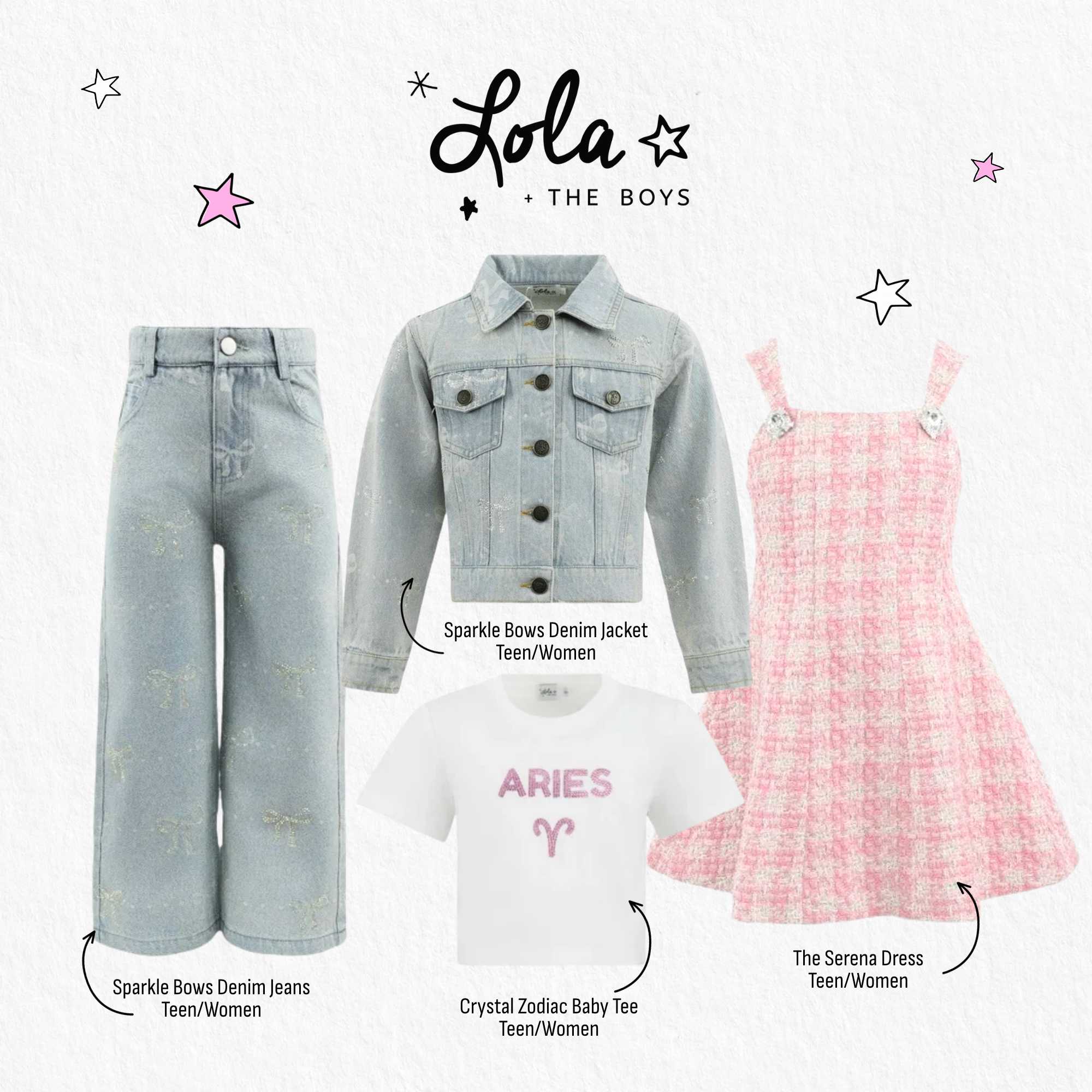
Choose washable fabrics, flexible waistbands, comfortable fits, and pieces that can take repeated wear. Kids' denim, for example, can be particularly useful because it is versatile and durable when the fit allows plenty of movement. Lola + The Boys also highlights denim as a practical staple for active kids.
Sports and activity clothes
Sportswear should be counted separately when your child changes specifically for an activity.
A child who plays soccer twice a week may need several athletic tops and bottoms. A child who attends ballet may need specific dancewear. Those pieces should not be counted as everyday school outfits because they serve a different purpose.
The same applies to swimwear. One swimsuit might be enough for occasional pool days, while a child who swims several times a week may need multiple suits.
Special occasions
Special events are where parents often overbuy.
Your child probably does not need a completely new outfit for every birthday party, holiday dinner, school performance, and family gathering.
Instead, build one or two polished outfits that can be changed with accessories or layers.
A coordinated set is particularly useful here because the pieces can often be worn together or separately. A dress can also work for a party with dressier accessories and become a more casual look with sneakers and a cardigan.
The aim is to make special clothing earn its place in the wardrobe.
Travel and weekends
Travel deserves its own calculation.
If you're packing for a week-long trip, count outfits based on activities and access to laundry. A beach vacation, camping trip, family road trip, and city vacation can require completely different clothing.
For most trips, prioritize pieces that can be mixed and matched. This gives you more combinations without making the suitcase enormous.
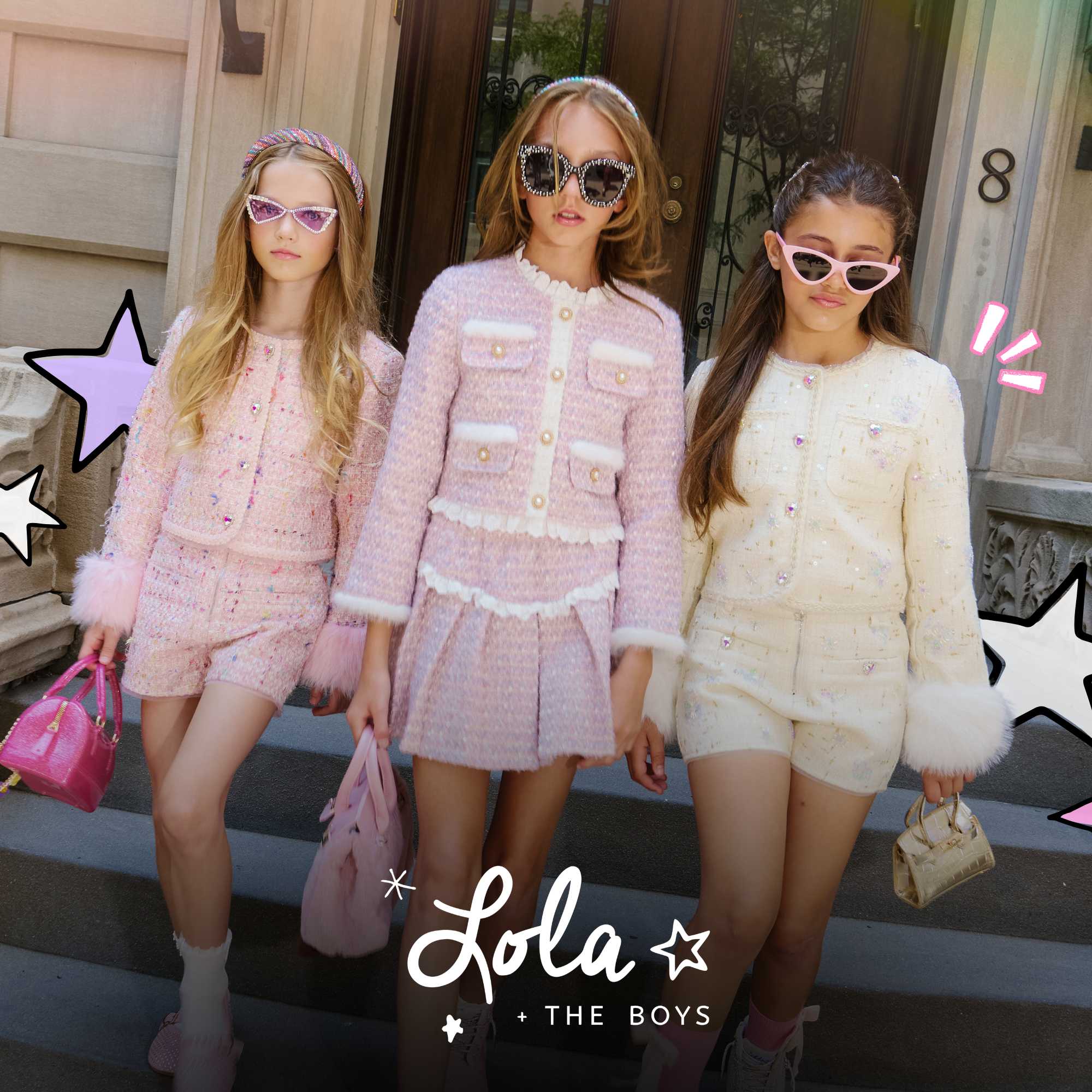
A favorite matching set can also be useful because it provides an instant complete look while remaining comfortable for travel. Lola + The Boys has a large selection of coordinated sets designed around playful, comfortable styling.
Once you start thinking this way, the question changes from “How many outfits should I buy?” to “What does my child actually need to get through the week?”
That is a much easier question to answer.
How Do You Know If Your Child Has Too Many or Too Few Clothes?
Your child's closet usually tells you the answer if you know what to look for.
An overflowing dresser does not automatically mean your child has enough clothing. At the same time, a minimalist-looking closet is not automatically better. The goal is a wardrobe that works.
Here are the signs that can help you adjust.
You probably have too many clothes if
- Clean clothes stay buried in drawers - If certain pieces are consistently ignored, they may not belong in the everyday rotation.
- You forget what you own - When the closet is so full that you cannot see the options, shopping becomes harder because you may accidentally buy duplicates.
- Your child regularly outgrows unworn clothes - This is one of the clearest signs that you are buying faster than your child can wear.
- Laundry feels strangely difficult despite having plenty of clothes - A large wardrobe can create extra sorting and organizing work without actually making laundry easier.
- Most pieces only work with one outfit - Special pieces can be fun, but too many single-use items make a wardrobe less flexible.
If these sound familiar, resist the urge to organize first and shop later. Start by removing anything that no longer fits, feels uncomfortable, or never gets worn.
You may need more clothes if
- You are doing emergency laundry constantly - If you are washing clothes every night simply to make it through the week, your everyday rotation may be too small.
- Your child needs multiple changes every day - Younger kids, messy eaters, and highly active children can go through outfits quickly.
- School or activities require frequent changes - Uniforms, sports, dance, daycare, and other routines can increase clothing needs.
- You run out of basics before laundry day - Running short on socks, underwear, everyday tops, or comfortable bottoms is a practical sign that you need more of those categories.
- Your climate changes dramatically by season - A child living somewhere with major seasonal changes needs a different setup from a child living in a consistently warm climate.
The important thing is to add selectively. If socks are always the problem, buy socks. You do not need another six outfits.
Top Lola + The Boys picks for a fun, flexible wardrobe
If you're refreshing your child's wardrobe, focus on pieces that add personality while still fitting into the larger rotation. Lola + The Boys offers playful options that can work as statement pieces, coordinated outfits, or finishing touches.
- Crystal Bow Jogger Set - This pink set combines a hoodie and joggers with crystal-bow details. The elastic waistband and ribbed cuffs make it a practical choice for comfortable everyday wear, while the embellishments give it plenty of personality.
- Fun Set Hair Clips Collection - These playful clips are an easy way to refresh outfits your child already owns. The collection includes fun designs such as suns, shooting stars, and cupcakes, making them useful when you want a little extra personality without buying another complete look.
- Butterfly Hair Clip Pack of 2 - For a dressier touch, these butterfly clips feature pastel sequins and pearl accents. They can work with everyday outfits or special-event looks.
- Mermaid and Shooting Star Clips - This two-piece set pairs a glittery mermaid with a shooting star, making it an easy accessory choice for kids who love colorful, imaginative details.
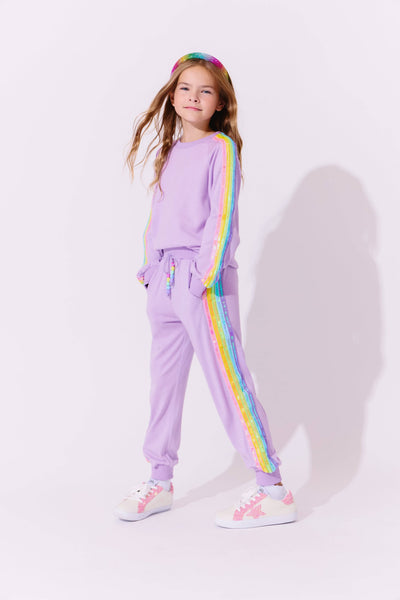
- The Rainbow Edit - For gifting or a bigger wardrobe refresh, this collection combines several playful items, including a sequin rainbow tracksuit, hair accessories, socks, a tote, and other colorful extras.
Accessories are especially useful when you're trying to keep the number of complete outfits reasonable. One favorite clip or bag can make an existing outfit feel fresh, which gives your child more ways to personalize the same core wardrobe.
For more options, you can browse Lola + The Boys hair accessories and choose pieces that complement the clothes your child already own.
Before buying anything, pull out five tops and four bottoms from the current closet. Try making at least eight combinations. If you can, you probably need fewer new clothes than you think.
And if you cannot, that experiment tells you exactly what is missing.
How to Build a Kid's Wardrobe Without Overbuying
The easiest way to build a functional wardrobe is to shop for gaps rather than cute things.
Start by looking at the upcoming two weeks. What does your child actually have planned? School, sports, birthday parties, family outings, messy play, church, travel, or quiet weekends at home?
Then check what already works.
Use this five-step wardrobe check
- Count what fits right now - Pull everything out and separate current-size clothes from clothes that are too small, too big, damaged, uncomfortable, or seasonal.
- Identify the weekly routine - Write down how many school days, activity days, sports practices, and special events your child typically has.
- Check your laundry rhythm - A household that washes clothes every two days needs fewer backups than a family that does laundry once a week.
- Create outfit combinations before shopping - Make sure new pieces can work with at least two or three existing items. This is one of the easiest ways to prevent impulse purchases.
- Leave room for growth - Kids grow quickly, so avoid buying huge quantities in one size. Replace worn-out basics as needed instead of trying to predict the entire year.
This approach also makes shopping more budget-friendly. You are buying based on actual wear rather than on the feeling that a full closet should somehow look full.
A practical wardrobe should make your life easier.
If getting dressed is stressful every morning, look for too many choices, uncomfortable clothing, missing basics, or pieces that do not coordinate. If laundry is overwhelming, look at how many outfits your child goes through each day and how often you wash.
And remember that repeating clothes is perfectly normal. Adults repeat favorite jeans, sweaters, shoes, and jackets all the time. Children can do the same.
The goal is not to make every school day look completely different. It is to give your child enough clean, comfortable, wearable choices to get through the week while leaving space for personality and fun.
Outfits a Kid Actually Needs With Lola + The Boys
So, how many outfits does a kid actually need? For many school-age children, five to seven everyday combinations are a useful starting point, supported by a core collection of mix-and-match tops, bottoms, layers, pajamas, activity clothing, and one or two special outfits. Current wardrobe guides consistently emphasize flexibility over a single universal number.
The best wardrobe is the one that matches your family's real life. If your child gets messy twice a day, build in more backups. If you wash clothes frequently, you can keep the rotation smaller. If your child loves sparkle and color, let accessories and a few statement pieces bring that personality into a practical wardrobe.
When you shop at Lola + The Boys, look for pieces that can become favorites rather than simply adding to the pile. A playful matching set, versatile denim piece, or fun hair accessory can give an existing wardrobe a fresh feel while still making dressing easy.