

Oct 09, 26
Best Fabrics for Chicago Weather: What Should Kids Wear?

Chicago's weather has a personality of its own. A sunny morning can turn into a chilly afternoon, and a light breeze can quickly become a strong wind. For parents, that means getting kids dressed often feels like solving a daily puzzle.
The good news is that choosing the right fabric makes everything easier. Instead of filling your child's closet with clothes for every possible forecast, you can build a wardrobe with versatile materials that keep them comfortable through changing temperatures. Soft cotton for mild afternoons, cozy fleece for cold mornings, and moisture-wicking blends for active play all have a place in a Chicago kid's closet. Experts consistently recommend breathable, comfortable fabrics and smart layering as the best approach for children living in climates with frequent weather changes.
In this guide, you'll learn which fabrics perform best throughout the year, how to dress kids for Chicago's changing seasons, and how to choose stylish pieces they'll actually enjoy wearing.
Best Fabrics for Chicago Weather at a Glance
If you're short on time, here are the most important things every parent should know about the best fabrics for Chicago Weather.
- Choose breathable fabrics for kids like cotton and bamboo for spring and summer because they help regulate body temperature and reduce overheating.
- Layering clothes for kids is the easiest way to handle Chicago's unpredictable weather without carrying an entire extra outfit.
- Merino wool, fleece, and quality knit fabrics provide warmth without adding unnecessary bulk during fall and winter.
- Weather-appropriate kids' outfits combine comfort, durability, and flexibility so children can stay active in every season.
- Look for soft, high-quality materials that can handle frequent washing while remaining comfortable against sensitive skin.
Why Fabric Matters More Than You Think
Many parents focus on color, size, or style first, but fabric often has the biggest impact on how comfortable children feel throughout the day. Since kids spend hours running, climbing, playing, and moving between indoor and outdoor environments, the material touching their skin deserves just as much attention as the design.
The right fabric can help children stay comfortable through Chicago's changing temperatures, while the wrong one may leave them sweaty, cold, or irritated. That's why experienced parents often build wardrobes around versatile materials instead of buying separate outfits for every season.
When shopping for children's clothing, keep these fabric qualities in mind:
- Breathability - Fabrics that allow air to circulate help prevent overheating during active play, especially in spring and summer.
- Moisture management - Materials that wick sweat away from the skin keep children more comfortable during recess, sports, and family outings.
- Softness - Gentle fabrics reduce irritation, making them ideal for younger children and kids with sensitive skin.
- Durability - Active children need clothing that withstands frequent washing, playground adventures, and everyday wear.
- Easy layering - Lightweight pieces are easier to combine as temperatures change throughout the day, creating comfortable outfits without unnecessary bulk.
Choosing quality fabrics also helps clothes last longer. While children quickly outgrow their favorite outfits, well-made garments often stay in excellent condition long enough to be handed down to younger siblings or friends. That makes thoughtful fabric choices a practical investment for growing families.
Best Fabrics for Chicago Weather by Season
No single fabric works perfectly throughout the year in Chicago. One week may call for lightweight, breathable clothing, while the next brings cooler temperatures that require extra warmth. Building a wardrobe around seasonal fabrics gives kids the flexibility to stay comfortable without sacrificing style or freedom to play.
Here are the fabrics parents should prioritize throughout the year and why they work so well.
Spring and Summer Fabrics That Keep Kids Cool
As temperatures begin to rise, children naturally become more active outdoors. Whether they're heading to school, exploring neighborhood parks, or spending weekends at festivals, lightweight materials help them stay comfortable throughout the day.
The best options include:
- Cotton - Cotton remains one of the most reliable choices for everyday wear because it is soft, breathable, and gentle on sensitive skin. Cotton T-shirts, dresses, shorts, and pajamas help children stay comfortable during warm afternoons while remaining durable enough for everyday adventures.
- Bamboo fabric - Bamboo has become increasingly popular because it feels incredibly soft while naturally regulating temperature. Many parents appreciate that bamboo fabrics also wick moisture away from the skin, making them a great choice for active kids.
- Linen blends - Pure linen wrinkles easily, but linen-cotton blends offer better durability while still providing excellent airflow. These fabrics work especially well for family gatherings, vacations, and outdoor celebrations during warmer months.
- Lightweight jersey knit - Jersey fabric stretches easily, making it comfortable for children who spend most of their day running, climbing, and playing. It is commonly used in casual dresses, graphic tees, leggings, and matching sets.
- Performance moisture-wicking blends - Kids involved in sports or summer camps benefit from athletic fabrics designed to pull sweat away from the body. These materials dry quickly and help prevent clothing from feeling heavy after active play.
Choosing several pieces made from these breathable fabrics for kids allows parents to mix and match outfits throughout the warmer months without worrying about discomfort.
Even during summer, remember that Chicago evenings near the lake can become surprisingly cool. Packing a lightweight jacket or cardigan helps children stay comfortable after sunset while avoiding bulky outerwear.
Fall and Winter Fabrics That Provide Warmth Without Bulk
Once temperatures begin dropping, comfort depends on trapping warmth while still allowing children to move freely. Bulky coats alone aren't enough. The clothing underneath plays an equally important role.
Parents often find these fabrics work best:
- Merino wool - Unlike traditional wool, merino fibers feel soft against the skin and naturally regulate body temperature. They provide warmth without overheating, making them an excellent base layer for colder days.
- Fleece - Fleece jackets, pullovers, and hoodies provide lightweight insulation while remaining easy for children to wear during school or weekend activities. They also dry quickly if exposed to light rain or snow.
- French terry - French terry combines warmth with breathability, making it perfect for sweatshirts, joggers, and matching lounge sets. It provides cozy comfort without feeling overly heavy indoors.
- Brushed cotton flannel - Flannel shirts and pajamas become family favorites throughout fall because they provide warmth while remaining soft enough for everyday wear. Layering flannel over cotton tees creates outfits that easily adapt to changing temperatures.
- Thermal knit fabrics - Thermal materials trap body heat while remaining surprisingly lightweight. They work well for base layers during particularly cold Chicago mornings.
Rather than relying on thick winter clothing alone, combine these fabrics with lighter layers underneath. This approach allows children to remove pieces as they move between heated buildings and the colder outdoors.
Parents also appreciate that many of these fabrics remain comfortable throughout long school days, reducing complaints about feeling too hot or too cold.
How Should Parents Layer Kids for Chicago's Changing Weather?
Even when you choose the best fabrics for Chicago Weather, layering remains one of the smartest ways to handle unpredictable forecasts. Instead of dressing children in one heavy outfit, multiple lightweight layers make it easy to adjust throughout the day.
A simple layering system works well for most families:
- Start with a breathable base layer such as a cotton or bamboo T-shirt that keeps skin comfortable and helps regulate body temperature.
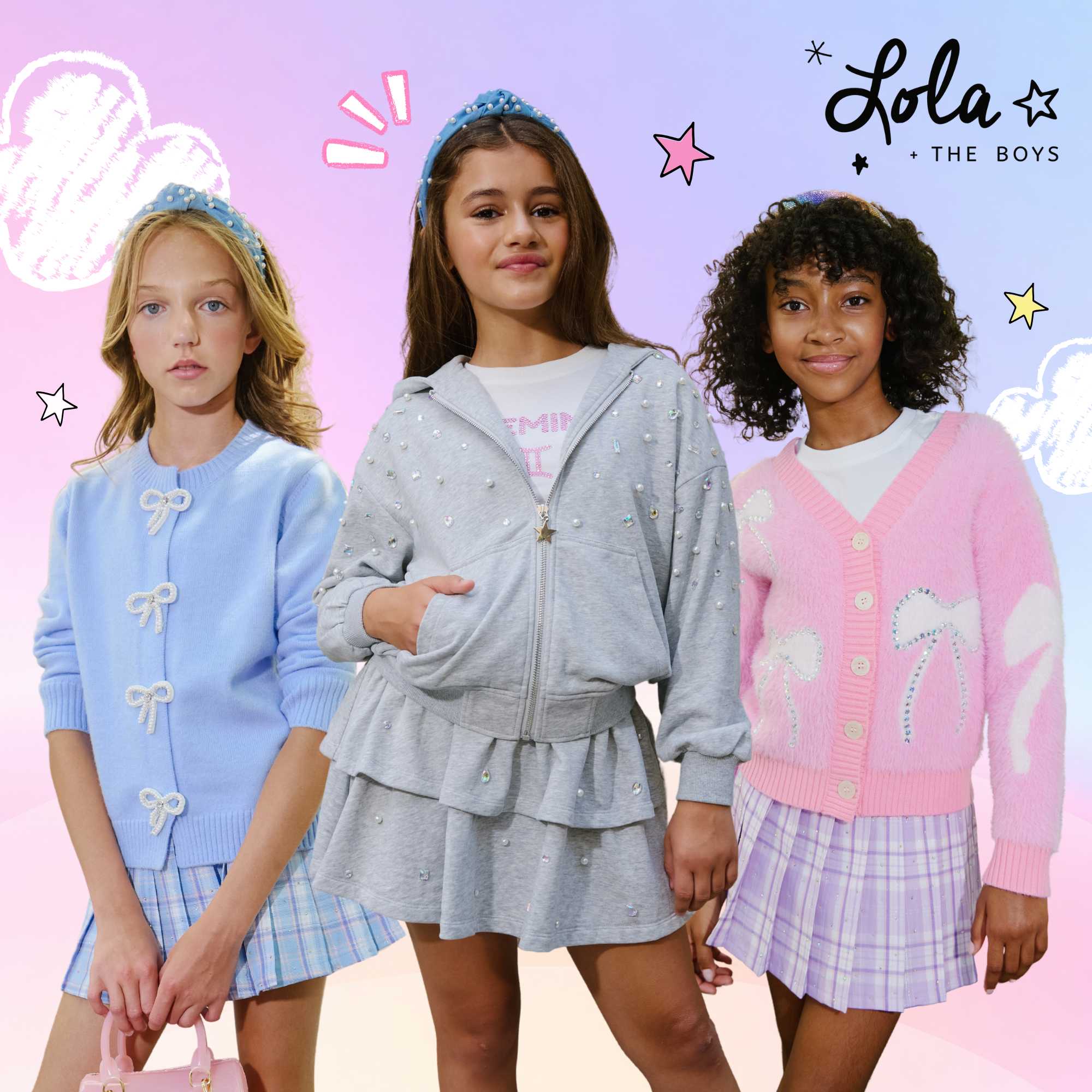
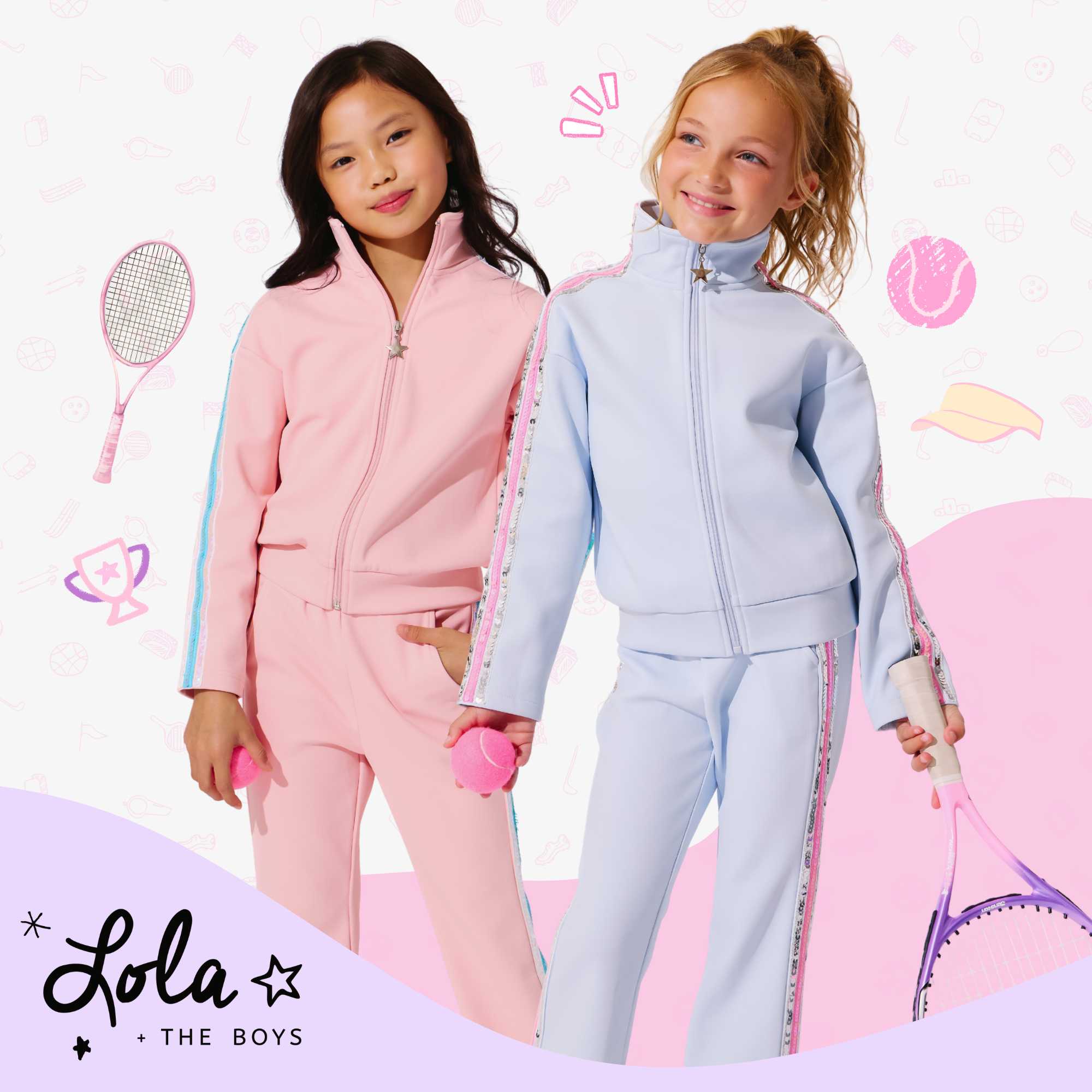
- Add an insulating middle layer, such as a fleece hoodie, French terry sweatshirt, or knit cardigan, for warmth on chilly mornings.
- Finish with a weather-resistant outer layer, such as a lightweight jacket, puffer vest, or raincoat, to protect against wind and unexpected showers.
- Choose flexible bottoms including leggings, joggers, or jeans, that pair well with changing temperatures and active play.
- Complete the outfit with practical accessories like knit hats, lightweight gloves, or scarves that can easily be removed if the weather warms up.
This layering method makes it much easier to create weather-appropriate kids' outfits year-round. Instead of constantly replacing seasonal wardrobes, parents can mix and match versatile pieces in different ways, helping children stay comfortable from morning drop-off to evening activities.
Good layering also encourages independence. As kids grow older, they learn when to remove or add layers on their own, making them more comfortable and confident throughout the day.
Common Fabric Mistakes Parents Make When Dressing Kids
Even the highest-quality clothing can feel uncomfortable if the fabric doesn't match the weather or activity. Many parents naturally focus on adorable designs or favorite colors first, but taking a closer look at fabric labels can make a noticeable difference in your child's comfort throughout the day.
Fortunately, avoiding a few common mistakes helps build a wardrobe that works through every Chicago season.
- Choosing thick fabrics all year long - Heavy sweatshirts and fleece are perfect during winter, but they can quickly become uncomfortable during mild spring afternoons. Keep lightweight layers available so your child can adjust to changing temperatures.
- Ignoring the fabric label - Two shirts may look nearly identical, yet one may be made from breathable cotton while the other contains mostly polyester. Checking the fabric content before buying helps you choose clothing that feels better during everyday wear.
- Skipping layers because the morning feels warm - Chicago weather can shift dramatically within a few hours. Packing a lightweight cardigan or jacket gives children an extra layer when temperatures suddenly drop.
- Buying clothes based only on appearance - Sequins, embellishments, and trendy styles are fun, but comfort should remain a priority. Soft linings and quality materials help kids enjoy wearing their favorite outfits longer.
- Overlooking durability - Children's clothes go through frequent washing, playground adventures, and everyday messes. Quality fabrics maintain their shape, softness, and color much better over time, making them a better value for growing families.
Paying attention to fabric quality doesn't mean sacrificing style. Instead, it allows parents to choose clothing that looks great while supporting comfort throughout busy school days, family outings, and weekend adventures.
Best Fabrics for Chicago Weather and Stylish Kids' Clothing
Choosing the best fabrics for Chicago Weather helps keep kids comfortable through every season. A wardrobe with breathable cotton, cozy fleece, soft bamboo, merino wool, and versatile layers makes it easy to adapt to Chicago's changing temperatures.
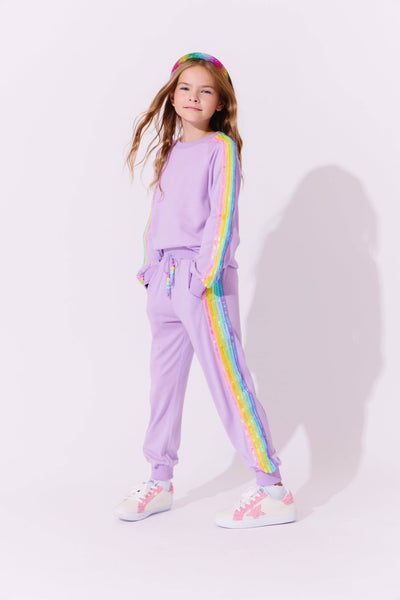
For stylish, comfortable options, Lola and the Boys offers everyday outfits, layering essentials, lightweight jackets, and fun accessories that combine comfort, durability, and standout style. Browse the latest collections to find pieces your kids will love year-round.