

Oct 14, 26
Organic Kids Clothes: What to Look For (+ Our Comfiest 100% Cotton Picks)
If your child has sensitive skin—or you just want fewer chemicals in their closet—organic kids clothes are probably already on your radar. But between confusing labels and trendy “eco” marketing, it’s not always clear what counts as truly organic.
This guide breaks down what “organic” really means in textiles, which certifications to look for, and how to build a comfy, stylish wardrobe your kids will actually love wearing (yes, sparkles included).
What “Organic” Really Means in Kids’ Clothing
The word organic on a tee or romper shouldn’t just be a vibe—it’s a standard. The most widely recognized benchmark is the Global Organic Textile Standard (GOTS), which sets strict rules for both environmental impact and worker conditions across the entire supply chain.
-
GOTS Certified: Organic fiber content + eco-friendly processing + fair labor practices.
-
OEKO-TEX® STANDARD 100: Not organic, but ensures the finished garment is tested for harmful chemicals.
Parents often look for both. If you want verified organic textiles, check for GOTS.
If you simply want reassurance that a product is safe against your child’s skin, OEKO-TEX® STANDARD 100 is another strong marker.
Fabric Truths (So You Don’t Get Green-Washed)
You’ll see plenty of brands pushing “bamboo” as the ultimate eco-fabric.
Here’s the reality:
- Most “bamboo clothing” is actually rayon/viscose made from bamboo, and it must be labeled that way in the U.S.
- The process often uses harsh chemicals. It doesn’t automatically mean organic or chemical-free.
Always check the fiber content line on the product label or online description. Transparency is your best defense against green-washing.
Why Parents Still Love High-Cotton Wardrobes
Even when not labeled organic, cotton is a parent favorite—and for good reason:
- Soft & breathable: Keeps kids cool and comfy.
- Gentle on sensitive skin: Less irritating than many synthetic fabrics.
- Durable & washable: Handles playground dirt and laundry cycles like a champ.
That’s why so many Lola + the Boys style guides recommend cotton—especially for summer tees, baby clothes, and everyday layers.
How to Build an “Organic-First” Closet (Even if Every Piece Isn’t Certified)
The truth: not every piece in your child’s wardrobe will have an organic certification. And that’s okay. The key is prioritizing what matters most:
- Skin-touch layers first: Start with tees, tanks, pajamas, and undies in cotton.
- Add the sparkle later:Save embellishments, sequins, and patches for outer layers.
- Check the care label: Washing cold, turning inside-out, and line-drying extend garment life (and keep sequins intact).
Kid-Approved Picks from Lola + the Boys
These breathable, high-cotton styles make perfect foundations for an organic-leaning closet. Bonus: they’re actually fun to wear.
- Rainbow Stars Baby Dress: Sweet embroidery on 100% cotton; gentle on baby skin.
- Vacay Mode Crystal Tank:Summer-ready 100% cotton tank; sparkle meets softness.
- Crystal Girl Power Tee: Statement graphic printed on breathable cotton.
- Rainbow Daily Reminders Tee: Positive vibes + 100% cotton comfort.
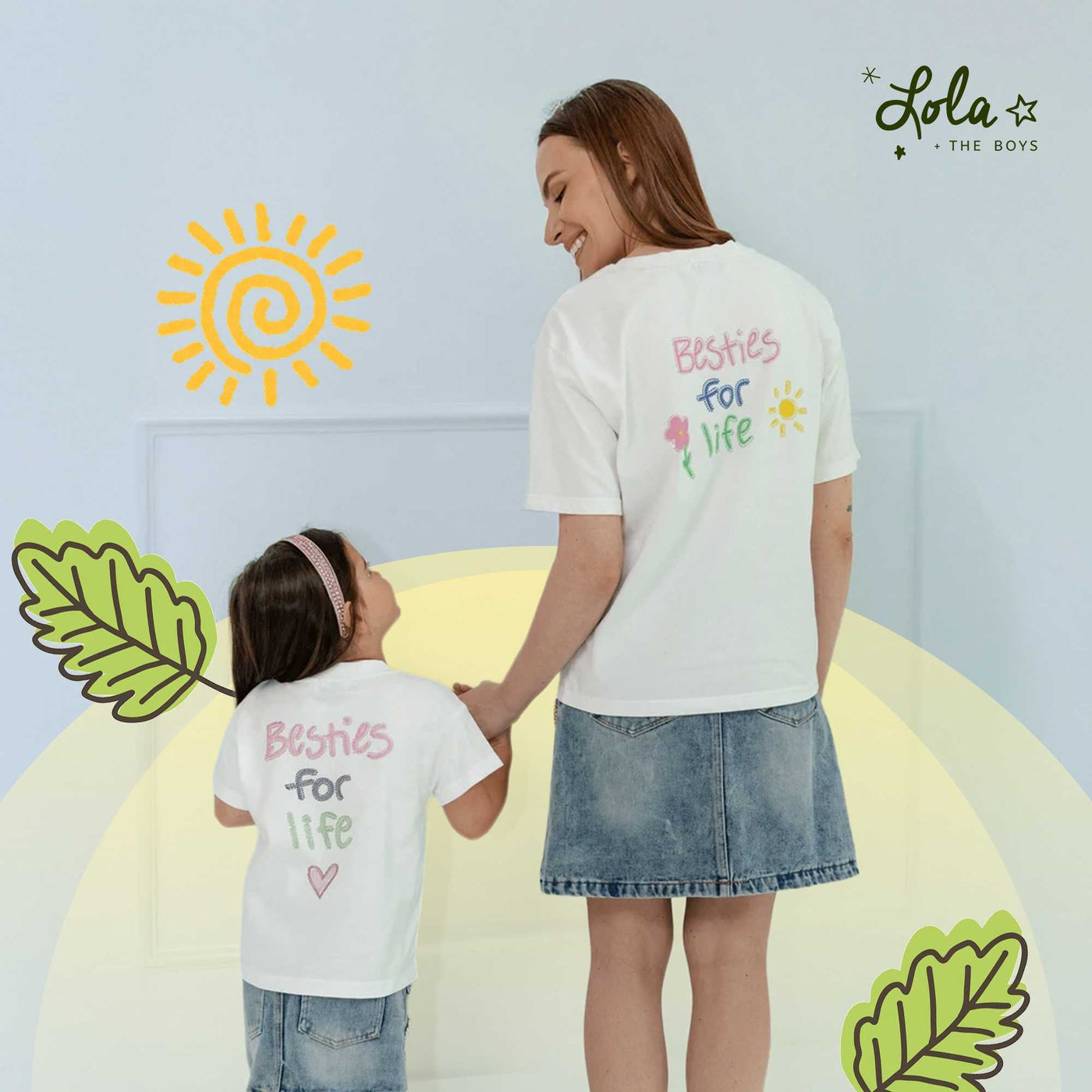
- Mommy & Me “Besties for Life” Tee:Premium cotton for twinning days.
- Dream Rainbow Stars Jeans: Breathable cotton denim with standout embroidery.
Note:These pieces are made with 100% cotton for comfort, though they do not claim organic certification.
How to Care for Organic (and High-Cotton) Kids’ Clothes
A little extra care goes a long way—especially if you’re investing in organic or cotton staples. Here’s how to keep them looking new:
Wash Cold & Inside Out
Cold water is your best friend. It helps cotton fibers hold their shape, prevents shrinking, and keeps dyes from fading. Turning clothes inside out before tossing them in the wash protects delicate prints, sequins, or embroidery from friction against other garments.
Parent tip: Use a gentle, fragrance-free detergent (ideally one labeled safe for sensitive skin). This avoids irritants that could undo the benefits of organic fabrics.
Skip the High Heat
Cotton loves a gentle wash but hates heat. Hot dryers can shrink fabric, weaken elastic waistbands, and cause decorations like gems or patches to warp or crack. Instead, use the lowest dryer setting—or better yet, avoid the dryer entirely.
Line Dry Whenever Possible
Hanging clothes to dry is one of the simplest ways to extend their lifespan. Line drying keeps fibers strong, prevents sequins from peeling, and reduces energy use.
Most of the Lola + the Boys care tags specifically recommend cold wash and hang-dry for sparkly tops and embellished dresses.
Treat Stains Early (But Gently)
Kids = stains, and that’s okay. The trick is spot-treating quickly:
- Dab (don’t rub) with cold water and mild soap.
- For tougher spots, use a natural stain remover that’s free of bleach and harsh chemicals.
- Avoid chlorine bleach, which can weaken fibers and affect organic certifications.
Store Smart
Even the best-cared-for cotton can lose shape if crammed into drawers. Fold heavier items like jeans and sweaters, and hang lightweight cotton dresses or tops so embellishments don’t crease.
For hand-me-downs, store in breathable cotton garment bags rather than plastic bins to prevent musty smells.
Bottomline
Parents don’t need to choose between style and safety. A closet built around breathable cotton layers—paired with organic kids clothes or OEKO-TEX® finds when possible—gives you peace of mind and your kids comfort they’ll love.
Add in sequins, colors, and personality pieces, and you’ve got the perfect mix of practical and playful.
And with the right care, these clothes stay soft, breathable, and just as fun to wear long after the first wash.
From comfy cotton basics to statement-making outfits, discover our most loved looks of the season.