

Oct 14, 26
Eco-Friendly Kids’ Clothing: A Simple Parent Guide for Smarter, Safer Outfits
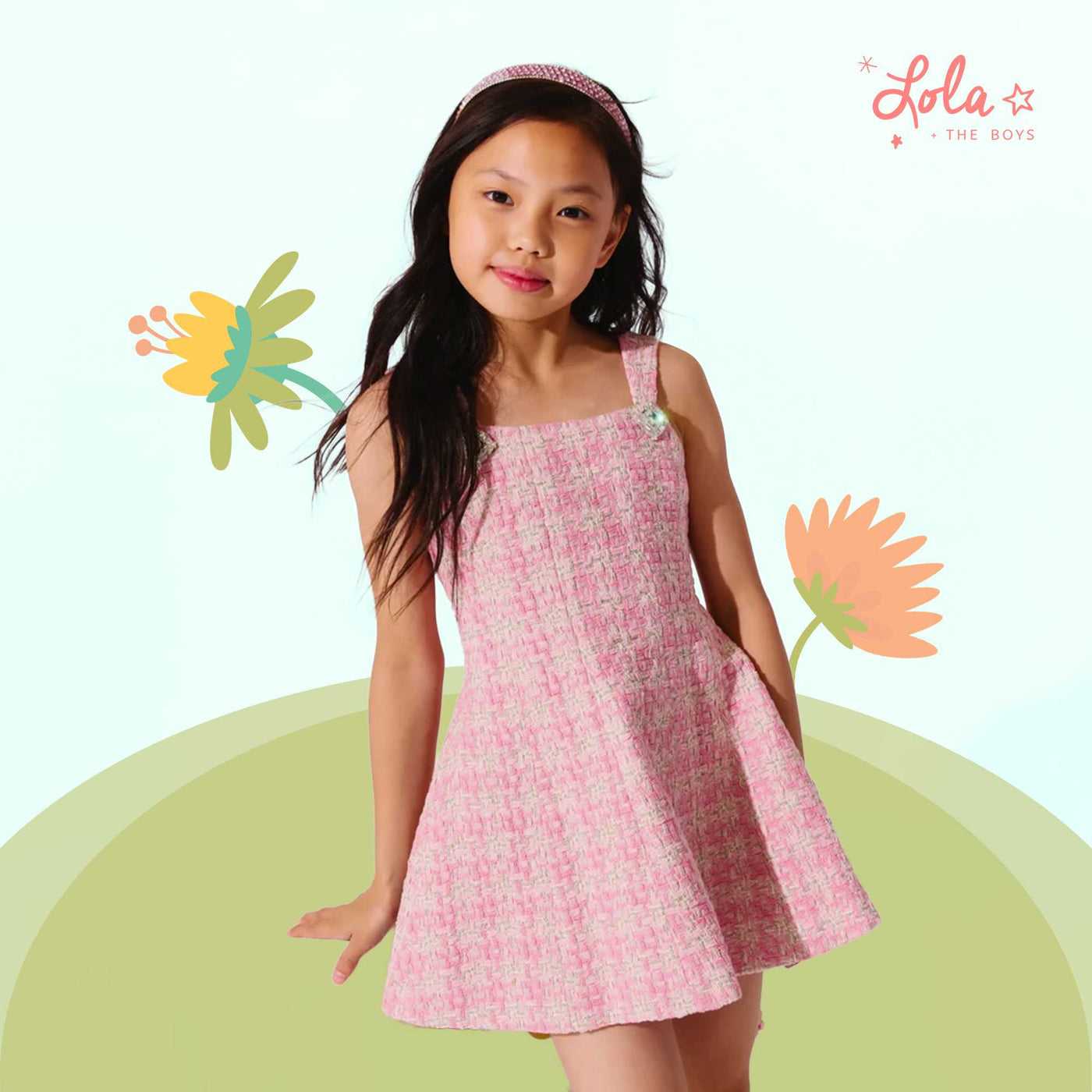
Finding eco-friendly kids' clothing isn't just about trendy labels. It's about keeping your child's skin safe while doing right by the planet. Parents today want outfits that feel good, last longer, and come from responsible sources. This guide breaks down what to look for, how to care for your child's clothes, and how to shop smarter.
Whether you're hunting for everyday tees or special-occasion outfits, you'll know exactly what makes clothing truly sustainable, ethical, and kid-approved.
How to Spot Truly Eco-Friendly Kids Clothes
Many brands talk about "green" or "sustainable," but not all live up to it. True eco friendly kids clothing focuses on safer materials, responsible factories, and long-lasting design.
Two certifications make this search simpler: Global Organic Textile Standard (GOTS) and OEKO-TEX Standard 100. They help you separate real eco-friendly kidswear from the rest.
Materials That Matter
Start with what touches your child's skin. Choosing the right fabric makes a big difference.
- Organic cotton kids clothing is softer, breathable, and grown without toxic pesticides.
- Recycled polyester kids fabrics turn old plastic into something new, reducing landfill waste.
- Bamboo pajamas kids love are silky and naturally antibacterial.
- Low impact dyes reduce chemical runoff and protect sensitive skin.
Tip: Feel the fabric. If it feels soft but strong and doesn't smell like chemicals, that's a good sign.
Certifications to Look For
These labels help you shop with confidence:
- Global Organic Textile Standard (GOTS): This certification means the clothing meets strict standards for organic fiber content and fair labor. It also limits harmful chemicals in processing.
- OEKO-TEX Standard 100: When you see this label, it means the fabric has been tested and proven free from hundreds of harmful substances.
Both certifications support safer, non toxic kids clothing—so they're ideal starting points when building a more sustainable wardrobe.
Tip: You can search for both certification numbers online to make sure the product is real before you buy it.
Quick Label Checklist for Moms
A five-step test before clicking "Add to Cart":
- Is it made from organic, recycled, or natural fibers?
- Does the brand mention GOTS certified or OEKO-TEX Standard 100?
- Are dyes described as low impact or non toxic?
- Does the company follow fair trade or ethical labor practices?
- Is it labeled safe for sensitive skin or babies?
If you can check three or more, you're likely buying ethical kids clothing that's genuinely planet-kind.
Keep It Fun, Comfy, and Durable
Sustainable clothing doesn't have to be plain. The best eco friendly kids clothing is soft, colorful, and comfy while staying strong enough for play. When you buy fewer high quality pieces, you save money and help the planet too.
Fit and Feel for Sensitive Skin
Look for soft breathable fabrics that let kids move easily.
- Organic cotton and bamboo are gentle on sensitive skin.
- Avoid heavy synthetics or non toxic dyes that can irritate.
- Clothes labeled OEKO-TEX baby clothing guarantee no harmful substances close to the skin.
Tip: The fewer seams and tags, the happier your kid will be—especially during long playdays.
Care Tips That Double Lifespan
How you care for clothes matters as much as what they're made from. Gentle habits stretch every piece further:
- Wash cold. A cold wash gentle cycle protects fibers and saves energy.
- Air dry kids clothes to reduce heat damage and keep colors bright.
- Use mild detergent and skip fabric softeners that break down elastic.
- Treat stains early with natural options like baking soda or vinegar instead of harsh bleach.
These steps reduce micro-shed, energy use, and waste—making your favorite outfits last longer.
Shop Smarter with a Parent-Proof Checklist
Before you buy, pause for a quick values check. Smarter shopping turns every purchase into a win for your child and the planet.
The 5-Question Label Check
Ask these before checkout:
- Is the piece GOTS certified or OEKO-TEX Standard 100?
- Does the label list fair trade or ethical sourcing?
- What's the country of origin, and are standards transparent?
- Does it include recycled content or natural fibers?
- Will it still look good after ten washes?
If the answers align with your values, it's a keeper.
Value Over Time
Durable fabrics save money. Let's do a quick example:
- You buy a $40 pair of durable kids clothes joggers.
- Your child wears them 50 times before they're passed down.
- That's 80¢ per wear—far better than a $15 pair that fades after 5 uses ($3 per wear).
Smart care and quality materials lower your cost per wear, proving eco-friendly can also be budget-friendly.
Where to Find Verified Options
If you want to dig deeper into sustainable kids clothing brands or learn how certifications work, start here:
- GOTS Public Database: Check if a company is truly GOTS certified.
- OEKO-TEX Buying Guide: Lists all OEKO-TEX Standard 100 certified products.
Use these tools to confirm facts and make informed decisions.
To explore fun, colorful options that fit your child's personality, browse your favorite shops by category—like "Shop bright tees" or "Explore party dresses"—and check product pages for material and care details.
Conclusion
Choosing eco-friendly kids' clothing doesn't have to be complicated. Focus on safe materials, trusted certifications, and long-lasting pieces that grow with your child. The goal isn't perfection—it's progress. Every mindful purchase keeps harmful chemicals off your child's skin and reduces waste.
Dress them in comfort, confidence, and conscience. Then explore kid-friendly looks that make them feel good, play hard, and care for the planet at the same time.